If your pool pump won’t prime — or keeps losing prime — you’re not alone. This is one of the most common pool problems we see every week in Fresno and Clovis, especially during hot weather, after filter cleanings, or when a pool has been sitting off for a few days.
The frustrating part?
Most priming issues aren’t pump failures. They’re usually caused by a small air leak, worn seal, or missing part that’s inexpensive and easy to fix once you know where to look.
Let’s break down what priming really means, why your pump won’t do it, and the exact fixes and parts that usually solve the problem for good.
What “Priming” a Pool Pump Actually Means
Priming is the process of removing air from the pump and suction lines so water can flow freely from the pool to the pump and back through the system.
A properly primed pump will:
-
Fill completely with water
-
Push water through the filter
-
Maintain steady pressure
-
Run quietly without surging or bubbles
A pump that won’t prime is almost always pulling air from somewhere it shouldn’t.
Common Symptoms of a Pool Pump That Won’t Prime
You may be dealing with a priming issue if you notice:
-
The pump basket won’t fill with water
-
Water surges in and out of the pump
-
Air bubbles blowing out of return jets
-
The pump sounds louder or higher-pitched
-
The system loses prime after shutting off
-
Filter pressure jumps or drops unpredictably
These symptoms are clues — and they point directly to the most common causes below.
The 6 Most Common Reasons a Pool Pump Won’t Prime
1. Worn or Cracked Pump Lid O-Ring (Most Common Cause)
This is the #1 culprit we see in-store.
The pump lid O-ring creates an airtight seal. If it’s:
-
Flattened
-
Cracked
-
Dry
-
Missing
-
Or coated in dirt
…the pump will suck air instead of water.
Fix:
-
Replace the pump lid O-ring
-
Clean the lid and housing groove
-
Use pool-safe silicone lubricant (never petroleum jelly)
👉 This single part fixes a huge percentage of priming problems.
2. Loose or Cracked Pump Lid
Even with a good O-ring, a lid that isn’t:
-
Fully tightened
-
Properly seated
-
Free of hairline cracks
…can still leak air.
Fix:
-
Reseat and tighten the lid evenly
-
Inspect closely for cracks (especially clear lids)
-
Replace the lid if damaged
3. Air Leaks on the Suction Side Plumbing
Any fitting before the pump can introduce air:
-
Unions
-
Valves
-
Threaded adapters
-
Old PVC joints
These leaks often don’t drip water, which makes them tricky — they only leak air when the pump is running.
Fix:
-
Tighten unions
-
Replace worn union O-rings
-
Reseal threaded fittings with proper thread sealant
-
Replace cracked valves or fittings
4. Low Pool Water Level
This one is easy to overlook.
If the water level drops below the skimmer opening, the pump will:
-
Pull air intermittently
-
Lose prime overnight
-
Struggle to reprime after shutting off
Fix:
-
Raise water level to mid-skimmer height
-
Check for evaporation (especially in Fresno heat)
-
Rule out leaks if water keeps dropping
5. Clogged Skimmer Basket, Pump Basket, or Impeller
Restricted flow makes priming harder and slower.
Common blockages include:
-
Leaves and debris
-
Pine needles
-
Small rocks
-
Broken basket pieces
-
Debris stuck in the impeller
Fix:
-
Clean skimmer and pump baskets
-
Inspect impeller (may require removing pump housing)
-
Replace damaged baskets
6. Drain Plugs or Housing Seals Leaking Air
After filter cleanings or winter prep, drain plugs are often:
-
Cross-threaded
-
Missing O-rings
-
Slightly loose
Even a tiny gap can let air in.
Fix:
-
Replace drain plug O-rings
-
Tighten evenly (do not overtighten)
-
Replace cracked plugs
How to Prime a Pool Pump the Right Way
Once the issue is fixed, follow this process:
-
Turn the pump off
-
Remove the pump lid
-
Fill the pump basket completely with water
-
Reinstall lid securely
-
Open suction valves fully
-
Turn the pump on
-
Watch for steady water flow within 30–90 seconds
If the pump still won’t prime after this, there’s almost always another air leak upstream.
Repair vs Replacement: When a Pump Is Actually the Problem
Most priming issues are not motor failures.
However, replacement may make sense if:
-
The pump housing is cracked
-
The seal plate is warped
-
The pump is very old and inefficient
-
Multiple components are failing at once
We always recommend fixing the air leak first before assuming the pump is dead.
Why Priming Problems Are So Common in Fresno & Clovis
Local factors matter:
-
High heat accelerates O-ring wear
-
Evaporation drops water levels quickly
-
Dust and debris dry out seals
-
Older equipment is common in the area
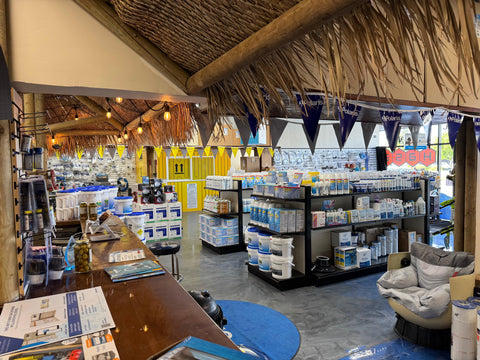
That’s why we stock pump-specific seals, lids, and O-rings — not generic guesses.
Bring the Part (or a Photo) — We’ll Match It
If your pool pump won’t prime and you’re not sure which part you need:
-
Bring the old O-ring or lid
-
Take a photo of the pump model label
-
Show us where you think air is entering
We’ll help you identify the exact part that actually fixes the problem, not sell you things you don’t need.
Final Takeaway
When a pool pump won’t prime, the cause is almost always:
-
An air leak
-
A worn seal
-
Or a simple maintenance issue
Fixing the right small part early can:
-
Save your pump
-
Prevent motor damage
-
Restore proper circulation
-
Get your pool back to normal fast
And if you’d rather not guess — that’s what we’re here for.