Black algae in your swimming pool can be a persistent problem. These stubborn invaders are not just unsightly; they can also damage your pool surfaces.
Unlike other types of algae, black algae have a protective layer. This makes them resistant to regular pool chemicals.
They thrive in pools with poor circulation and low chlorine levels. If left untreated, they can cause long-term damage.
Removing black algae requires a strategic approach. Regular brushing, shocking, and using specific black algae treatments are key steps.
Maintaining proper pool chemistry is crucial for prevention. Consistent swimming pool care can keep your pool algae-free.
This guide will help you tackle black algae pool removal effectively. Follow these steps to restore your pool's pristine condition.
Need to Remove Black Algae from Your Pool?
Black algae usually requires more than basic chlorine maintenance. To remove it properly, you typically need to brush the affected areas, shock the pool, improve circulation, and apply a black algae-specific treatment.
Shop the most common products used for black algae pool removal:

What Is Black Algae and Why Is It a Problem?
Black algae are actually a form of cyanobacteria. They appear as small black or dark blue-green spots in pools.
Their growth is slow, but they are resilient. A protective layer makes them tough to treat with regular pool chemicals.
These algae thrive in low-chlorine conditions. Poor water circulation and warm temperatures also provide ideal conditions.
Black algae not only mar your pool's appearance but can also compromise pool surfaces. If left unchecked, black algae can lead to costly repairs.
Key characteristics of black algae include:
- Appearance: Dark spots on pool walls and floors
- Growth: Often in corners or hard-to-clean areas
- Resistance: Tough outer layer shields them from chemicals
How to Identify Black Algae in Your Pool
Recognizing black algae early is crucial. It usually appears as irregular spots. These spots are often raised and feel slimy to the touch.
The black or dark blue-green spots cling to rough surfaces, including pool walls and floors — especially in shaded areas. These spots are often found in corners where circulation is poor.
Specific signs include:
- Persistent dark spots
- Slimy texture, unlike dirt or other algae types
- Growth in difficult-to-reach areas
Identifying these characteristics ensures effective treatment.
Match the Black Algae Problem to the Right Product
Not sure what to use first? Use this quick guide to choose the right product based on what you are seeing in the pool.
| Black spots on plaster or concrete | Brush with a stainless steel algae brush and use black algae algaecide |
| Black algae keeps coming back | Shock the pool, clean the filter, and maintain chlorine levels |
| Poor circulation or dead spots | Check pump performance and filter parts |
| Cloudy water during treatment | Clean the filter and retest water with a pool test kit |
Causes and Risk Factors for Black Algae in Pools
Black algae thrive in specific conditions. Poor water circulation is a primary cause. This limits the effectiveness of chemical treatments.
Low chlorine levels also contribute to black algae growth. When chlorine is insufficient, algae can grow unchecked.
Risk factors include:
- Infrequent pool maintenance
- Warm, still water
- High bather load
- Contaminated swimsuits or equipment
Regular upkeep and monitoring can help prevent these issues. Identifying risk factors early minimizes outbreaks.
Is It Safe to Swim with Black Algae?
Swimming with black algae in your pool is not recommended. The algae can harbor harmful bacteria and pathogens, posing health risks.
The rough texture of black algae can also cause irritation or injury. It's best to treat the algae first to ensure a safer swimming environment.
Step-by-Step Guide to Black Algae Pool Removal
Eliminating black algae requires a structured approach. Follow these steps for effective removal and prevention.
1. Clean and Backwash the Pool Filter
Start by cleaning and backwashing the pool filter. This removes spores trapped in the system.
- Turn off the pump before accessing the filter
- Follow manufacturer instructions for backwashing
- Clean the filter housing with a hose
A clean filter helps maintain water circulation and enhances treatment effectiveness. If your filter is dirty, clogged, or overdue for maintenance, use a pool filter cleaner or inspect your pool filter parts.
2. Test and Balance Pool Water Chemistry
Balanced chemistry is crucial before treating black algae.
- Check chlorine, pH, and alkalinity
- Keep pH between 7.4–7.6
- Maintain chlorine at 1–3 ppm during normal operation
This creates conditions where algae cannot thrive. Keep a reliable pool test kit on hand so you can confirm your water is balanced before and after treatment.
3. Brush and Scrub the Pool Surfaces
Brushing dislodges black algae’s protective layer so chlorine and algaecide can reach the roots of the algae.
- Use a stainless steel algae brush for concrete or plaster pools — shop Classic Algae Brush – SS Bristle
- Use a nylon brush for vinyl or fiberglass pools
Focus on crevices, steps, shady corners, and rough areas where algae cling.
Black Algae Brushing Tip
Black algae will not usually disappear with chemicals alone. Brushing breaks the protective coating so shock and algaecide can attack the algae more effectively.
4. Shock the Pool with Chlorine
Shocking raises chlorine to kill algae and oxidize organic contaminants.
- Apply shock treatment at night
- Maintain high chlorine levels for several days
- Avoid swimming until chlorine returns to a safe range
Use a quality pool shock and follow the product label for dosage and safety instructions.
5. Apply a Black Algae-Specific Algaecide
Specialized products are essential for stubborn black algae. Options include:
Follow label instructions carefully and apply directly to problem areas when the product directions allow.
Shop Black Algae Treatment Products
Black algae treatment usually requires brushing, shocking, and applying an algaecide designed for stubborn algae spots. These products help you attack the problem from multiple angles.
6. Run the Pool Pump and Circulate Water
Run the pump 8–12 hours per day during treatment. Circulation ensures chemicals distribute evenly and helps prevent algae from settling into dead spots.
If circulation is weak, inspect the pump, filter, valves, and return flow. Poor circulation can make black algae much harder to eliminate.
7. Brush, Vacuum, and Clean Again
Repeat cleaning steps throughout the treatment process:
- Brush walls and steps
- Vacuum dead algae
- Wipe down tiles and hidden areas
- Clean or backwash the filter again after treatment
8. Retest and Rebalance Pool Water
After treatment:
- Retest chlorine and pH
- Adjust alkalinity if necessary
- Keep test kits handy for routine checks
Ongoing testing helps prevent black algae from returning. Browse pool test kits and pool chemicals to keep your water balanced.
9. Repeat Treatment if Needed
Stubborn cases may require repeating the process or calling a professional. Black algae can root deeply into porous pool surfaces, so repeat brushing and treatment may be necessary.
Tips for Preventing Black Algae in Your Pool
- Maintain balanced chemistry, including chlorine and pH
- Run your pump daily for good circulation
- Regularly scrub walls, steps, and corners
- Clean or backwash the pool filter regularly
- Use a pool cover to reduce debris and sunlight exposure
- Wash swimsuits and equipment before moving them between pools
Black Algae Prevention Essentials
After removing black algae, prevention is all about maintaining sanitizer levels, brushing problem areas, keeping the filter clean, and improving circulation.
Frequently Asked Questions
What makes black algae different from green or mustard algae?
Black algae is different from green or mustard algae because it has a tough protective layer and can root into porous pool surfaces, making it harder to kill with normal chlorine levels alone.
Can black algae harm my health?
Black algae can indirectly affect health because it may harbor bacteria, make surfaces slippery, and create unsafe swimming conditions. It is best to treat black algae before swimming.
How long does black algae removal take?
Black algae removal can take several days to a week, depending on severity. Stubborn cases may require multiple rounds of brushing, pool shock, algaecide, filtration, and water balancing.
Can black algae spread between pools?
Yes, black algae can spread between pools through contaminated swimsuits, pool brushes, vacuum equipment, toys, and other pool gear that carries algae spores.
What’s the best brush for removing black algae?
The best brush for removing black algae depends on your pool surface. Use a stainless steel algae brush for plaster or concrete pools, and use a nylon brush for vinyl or fiberglass pools.
What is the best product for black algae in a pool?
The best product for black algae in a pool is usually a black algae-specific algaecide used alongside pool shock and aggressive brushing. Browse pool algaecides and black algae treatments for stubborn algae spots.
When to Call a Pool Professional
If black algae persists after repeated treatments, consult a pool professional. Persistent outbreaks may signal deeper issues with circulation, filtration, brushing, or water balance.
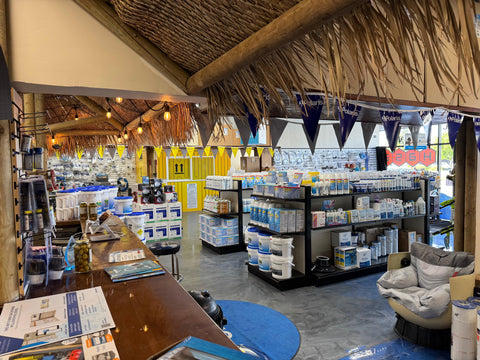
If you are local to Fresno or Clovis and need help choosing the right black algae treatment, visit Benchmark Pool Supply or contact our team before starting treatment.
Final Thoughts
Consistent pool care is the key to prevention. With proper chemistry, circulation, regular cleaning, and the right black algae treatment products, you can keep your swimming pool clear and free from black algae.
Stay proactive, and your pool will remain a safer, cleaner, and more enjoyable place to swim.
Need Help Choosing a Black Algae Treatment?
Black algae can be difficult to remove if you use the wrong product or skip brushing. Benchmark Pool Supply carries pool shock, algaecides, algae brushes, filter cleaners, and water testing products to help you treat the problem correctly.
Shop online or visit our Fresno and Clovis pool supply stores for local help.