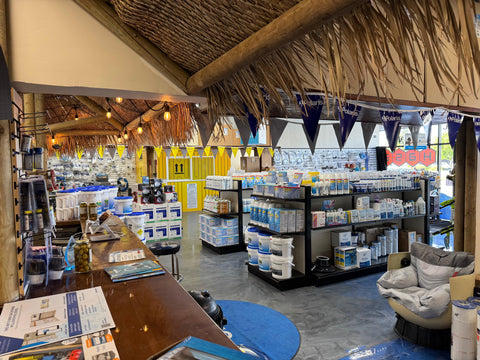
A crystal-clear swimming pool depends on a smooth-running circulation and filtration system. At the core of this system are your pool pump and filter. Continuous exposure to water pressure, treatment chemicals, and outdoor weather causes natural wear on moving components. Selecting the correct replacement parts maintains water clarity, reduces energy consumption, and extends overall equipment lifespan.
When sourcing high-quality replacement components, choosing a trusted vendor like Benchmark Pool Supply keeps maintenance straightforward. Here is a direct guide on choosing the right replacement parts to maintain peak pool performance.
What Are the Key Components of a Pool Circulation System?
A residential pool relies on an interconnected network where every component serves a distinct functional role:
- Pool Pump: Pulls water from skimmers and main drains, pushes it through the filter, and returns treated water back to the pool.
- Pool Filter: Traps physical dirt, particulat
- e matter, and microscopic debris before clean water returns to the pool basin.
- Pool Cleaner: Removes settled dirt from pool surfaces, reducing mechanical stress on the primary filter media.
When any single component degrades - system pressure changes. It circulates water quality drops, and chemical demand increases. Early identification of worn parts prevents minor leaks from causing full motor failure.
How to Select the Right Pool Pump Parts

The pump bears the heaviest mechanical load in the filtration loop. Common wear items include O-rings, impellers, mechanical shaft seals, strainer baskets, and diffuser gaskets.
When selecting replacement pool pump parts, evaluate these critical factors:
- Verify Model Numbers and Serial Ratings: Check the manufacturer data plate on the pump housing before ordering. Single-speed pump parts frequently differ in dimensions from variable-speed models under the same brand.
- Inspect Shaft Seals and Housing O-Rings: Small water leaks near the motor interface signal a degraded shaft seal or dried housing gasket. Replacing these components early prevents moisture from entering the motor windings.
- Match Impeller Ratings to Motor Horsepower: Replacement impellers must match the motor's total horsepower rating. An oversized or undersized impeller strains the motor, leading to thermal overload and premature motor failure.
To source accurate OEM and compatible fitments designed for continuous operating pressure, rely on a dedicated pool supply retailer.
How to Choose Compatible Pool Filter Parts
Whether your filtration system uses sand, DE, or cartridge media, maintaining structural integrity is essential for effective water clarification. Cartridge units require precise dimensions and intact end caps to prevent unfiltered water bypass.
Key steps for evaluating and selecting pool filter parts include:
- Assess Media Condition: Cartridge elements lose structural filtration ability after repeated cleaning cycles. Cracking end caps, frayed pleats, or collapsed inner cores require complete cartridge replacement.
- Monitor Pressure Gauge Functionality: A stuck pressure gauge can provide inaccurate PSI readings. It can also get stuck when backwashing or element rinsing is required.
- Inspect Tank Clamps and Air Relief Valves: Check air relief O-rings and tank clamp bands for stress cracks to maintain an airtight, pressurized seal.
Upgrading to a complete cartridge filter complete assembly or replacing degraded internals restores proper GPM flow rates and minimizes backpressure on your pump motor.
What Is the Role of Auxiliary Pool Cleaner Parts?
Maintaining clear water requires automated surface and floor scrubbing alongside active filtration. Suction, pressure, and robotic pool cleaners use wear-prone tracks, diaphragms, drive belts, and scrub brushes. Keeping proper pool cleaner parts on hand prevents drive wheel slippage, maintains vacuum suction, and prevents heavy debris loads from clogging the main filter intake.
Why Is Hydraulic Compatibility Important for Pool Equipment?
Mismatched equipment disrupts hydraulic balance, raising operating costs and reducing filtration efficiency. Installing proper pool equipment sized to your pool's total volume and flow rate ensures balanced turnover cycles.
Follow these rules when replacing worn hardware:
- Measure Dimensions Exactly: Verify inner diameter, outer diameter, and overall length of filter elements and seals.
- Cross-Reference Schematics: Match replacement part numbers directly against original manufacturer schematics.
- Replace Accompanying Seals: Install fresh lubricated O-rings whenever opening sealed pump or filter housings.
How Do You Maintain Peak Pool Performance Year-Round?

Routine inspection paired with targeted part replacement keeps your pool setup functioning reliably for years. Identifying worn components early protects hardware investments and keeps pool water clean, balanced, and ready for use.
Explore our pool parts and equipment to find exact-fit replacement components and complete equipment solutions for your setup.